
Understanding GST in India
Practical resources on goods and services tax framework, compliance basics, and how tax revenue gets distributed across states

Questions About GST Basics
Get quick answers about how the GST system works and who needs to register
What exactly is GST?
GST is a single indirect tax that replaced multiple taxes like VAT, excise, and service tax. It’s applied at each stage of production or distribution, but the final consumer bears the tax burden. The system aims to create a unified market across India.
Who needs to register for GST?
If your annual turnover exceeds 40 lakhs (20 lakhs for special category states), registration becomes mandatory. Even below the threshold, you can voluntarily register if you’re in business. This is important for claiming input tax credits.
How many tax slabs are there?
There are five GST rates: 0% (essential items), 5%, 12%, 18%, and 28%. The rate depends on what you’re selling or the service you’re providing. Most everyday items fall into the 5% or 12% brackets.
What is input tax credit?
When you buy goods or services for your business, you pay GST. This tax paid becomes an input credit that you can claim against the GST you collect from customers. It prevents cascading taxation throughout the supply chain.
What records do businesses need to keep?
You’ll need to maintain invoices, purchase documents, payment receipts, and bank statements for at least five years. Digital records are acceptable. Proper documentation is essential during audits and helps with GST return filing.
How often do businesses file returns?
Most registered businesses file monthly returns. Some with lower turnover can file quarterly returns. Returns show the GST you collected, input credits claimed, and net tax due. Missing deadlines can attract penalties and interest.
How the GST System Works
The key mechanisms that make GST different from previous tax regimes
Unified Tax Structure
One tax replaces multiple levies like VAT, excise, and service tax. This simplifies compliance and reduces the overall tax burden on legitimate businesses by eliminating cascading taxes.
Invoice-Based System
Every transaction is documented with invoices. Buyers get input tax credits by showing invoices. This creates transparency and makes tax evasion harder because the system tracks goods across the entire supply chain.
Destination-Based Tax
GST is collected where the goods or services are consumed, not where they’re produced. This benefits manufacturing states while protecting revenue of consuming states through a compensation mechanism.
Compliance Requirements
Registered businesses must file returns, maintain records, and report transactions. The system uses technology like GSTR-1 and GSTR-3B to automate reconciliation and catch discrepancies early.
Multi-Level Governance
The GST Council (central and state representatives) makes policy decisions. GSTN (portal), CBIC, and state tax authorities enforce rules. This ensures balanced implementation across the country.
Interstate Commerce
Moving goods between states is seamless with e-way bills and unified rates. Previously, different states had different tax rates and regulations. GST creates a truly integrated national market.
Understanding GST Categories
Different product and service categories fall into different tax brackets. Here’s how the five slabs work in practice

Zero-Rated (Essentials)
Basic necessities like unpackaged food, vegetables, grains, milk, and eggs. These items are exempted to protect the poorest consumers. Businesses can still claim input credits on raw materials.
Essential Goods & Services
Items like packaged food, cooking oils, medicines, healthcare services, and restaurant food. This lower rate encourages consumption of essential services while generating reasonable tax revenue.
Common Products
Items like footwear, textiles, apparel, and some industrial goods. This mid-range rate applies to most everyday consumer products that aren’t luxury goods or essentials.
Standard Goods & Services
Most services like telecommunications, IT services, hotels, transportation, and general goods. This is the most common rate for business-to-business and business-to-consumer transactions.
Luxury Items
Luxury goods like premium cars, air conditioners, branded goods, and high-end services. This highest rate captures more revenue from discretionary spending by higher-income consumers.
GST Compliance for Registered Businesses
Once you’re registered, you’ll need to follow specific filing and record-keeping requirements
Registration & Documentation
Get your GSTIN (GST Identification Number) and maintain all business documents. You’ll receive a certificate and registration number used for all future GST dealings and invoice generation.
Monthly Return Filing
File GSTR-1 (outward supplies) and GSTR-3B (tax liability) every month by the 11th. These forms report what you sold, GST collected, and input credits claimed. Missing deadlines triggers penalties and blocks further operations.
Invoice & Record Management
Keep invoices for all sales and purchases for five years. Invoices must contain specific details: GSTIN, HSN codes, tax amounts, and payment terms. Digital records are acceptable and often preferred by tax authorities.
Input Tax Credit Tracking
Document all purchases to claim input credits. Only invoices from registered suppliers are accepted. Track this separately and match with GSTR-2A (auto-populated form) to ensure accuracy and avoid discrepancies.
Annual Audit & Returns
File GSTR-9 (annual return) by December 31st. If turnover exceeds 2 crores, audits are mandatory. Auditors verify GST compliance, check for input credit misuse, and ensure books match GST filings.
Audit Trail & Penalties
Keep complete audit trails showing who filed what and when. Penalties for late filing, wrong invoices, or missing documentation can reach 25% of tax due. Intentional evasion attracts criminal prosecution and imprisonment.
How GST Revenue Gets Distributed
Tax collection is split between the central government and states using a formula that balances national needs with state interests
Collection & Splitting
GST is collected by the government based on where goods or services are consumed. The total is then split: the central government keeps the CGST (Central GST), while states receive the SGST (State GST). This happens automatically through the GSTN system.
For interstate transactions, IGST (Integrated GST) is collected and later distributed to the consuming state. This mechanism ensures that revenue goes where consumption happens, benefiting consumer states economically.
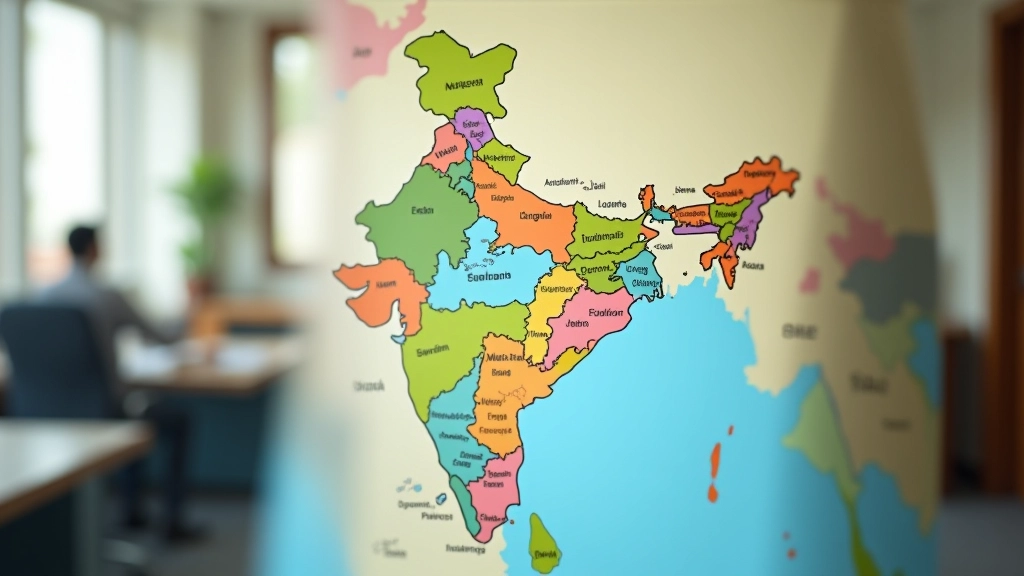
Standard Split
50% to Central Government | 50% to State Government
This 50-50 split applies to most GST collections. It ensures both levels of government have sufficient resources for their responsibilities while maintaining balance in the federal system.
Compensation Mechanism
Additional support to states that lose revenue
When GST was introduced, states lost revenue from previous taxes. The central government compensates states for this loss for five years, protecting their fiscal position during the transition period.
IGST Distribution
Allocated based on consumption destination
Interstate transactions use IGST. This is distributed 50-50 between central and state governments. The consuming state receives its share, creating incentives for local economic development.
Detailed GST Resources
Comprehensive guides covering specific aspects of the GST framework in detail

GST Categories and Tax Rates Explained
Products and services fall into different tax brackets. Learn why some items are taxed at five percent while others pay eighteen or twenty-eight percent.
Read Guide
Compliance Basics for Registered Businesses
If your business crosses the registration threshold, you’ll need to file returns, track invoices, and maintain records. Here’s what’s actually involved.
Read Guide
How GST Revenue Gets Distributed
The tax collected doesn’t all stay in one place. The government splits it between central and state treasuries using a specific formula that compensates states for revenue loss.
Read GuideNeed Specific Guidance?
Get answers to your GST questions or explore our complete resource library on taxation and compliance